
(200) Two Hundred Selected Ambassadors
Five (5) Languages. English, Swahili, French, Portuguese, Arabic.
Two thousand (2000) Fellows training.
Fifteen (15) Instructors & Ten (10) Assistants.
The Cyber Czar’s initiative, the Pan-African Youth Ambassador for Internet Governance (PAYAIG), aims to empower African youth voices to shape the future of global internet governance and cultivate Africa’s internet governance ecosystem. This will ultimately contribute to fostering an open, inclusive, and secure internet for all across the continent, aligning with the UN Sustainable Development Goals (SDGs) and Agenda 2063.

The Internet Governance program in the Arabic language cohort admits over 200 applicants into its training phase, where participants become certified fellows upon successful completion. From this pool, 20 outstanding fellows are selected as PAYAIG Ambassadors for the final phase. For all other programs, a total of 20 fellows are selected in the Arabic cohort.

The Internet Governance program in the English language cohort admits over 200 applicants into its training phase, where participants become certified fellows upon successful completion. From this pool, 20 outstanding fellows are selected as PAYAIG Ambassadors for the final phase. For all other programs, a total of 20 fellows are selected in the English cohort.

The Internet Governance program in the French language cohort admits over 200 applicants into its training phase, where participants become certified fellows upon successful completion. From this pool, 20 outstanding fellows are selected as PAYAIG Ambassadors for the final phase. For all other programs, a total of 20 fellows are selected in the French cohort.

The Internet Governance program in the Portuguese language cohort admits over 200 applicants into its training phase, where participants become certified fellows upon successful completion. From this pool, 20 outstanding fellows are selected as PAYAIG Ambassadors for the final phase. For all other programs, a total of 20 fellows are selected in the Portuguese cohort.

The Internet Governance program in the Swahili language cohort admits over 200 applicants into its training phase, where participants become certified fellows upon successful completion. From this pool, 20 outstanding fellows are selected as PAYAIG Ambassadors for the final phase. For all other programs, a total of 20 fellows are selected in the Swahili cohort.

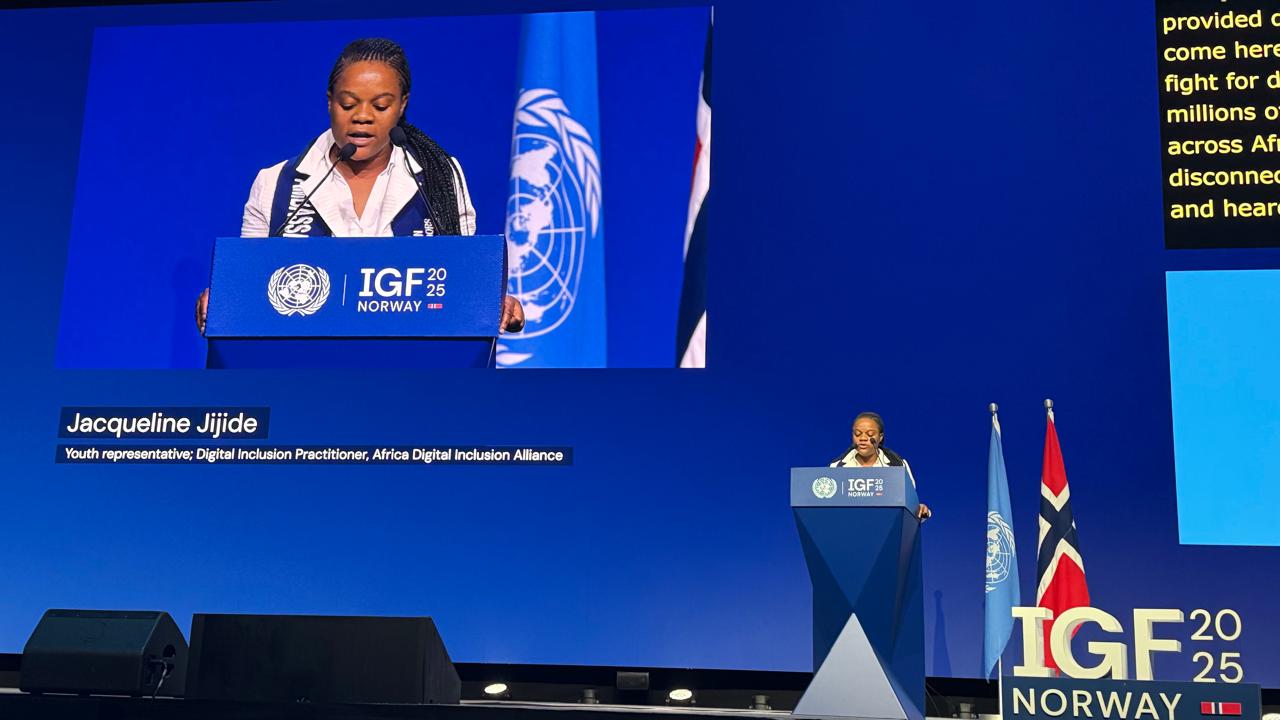
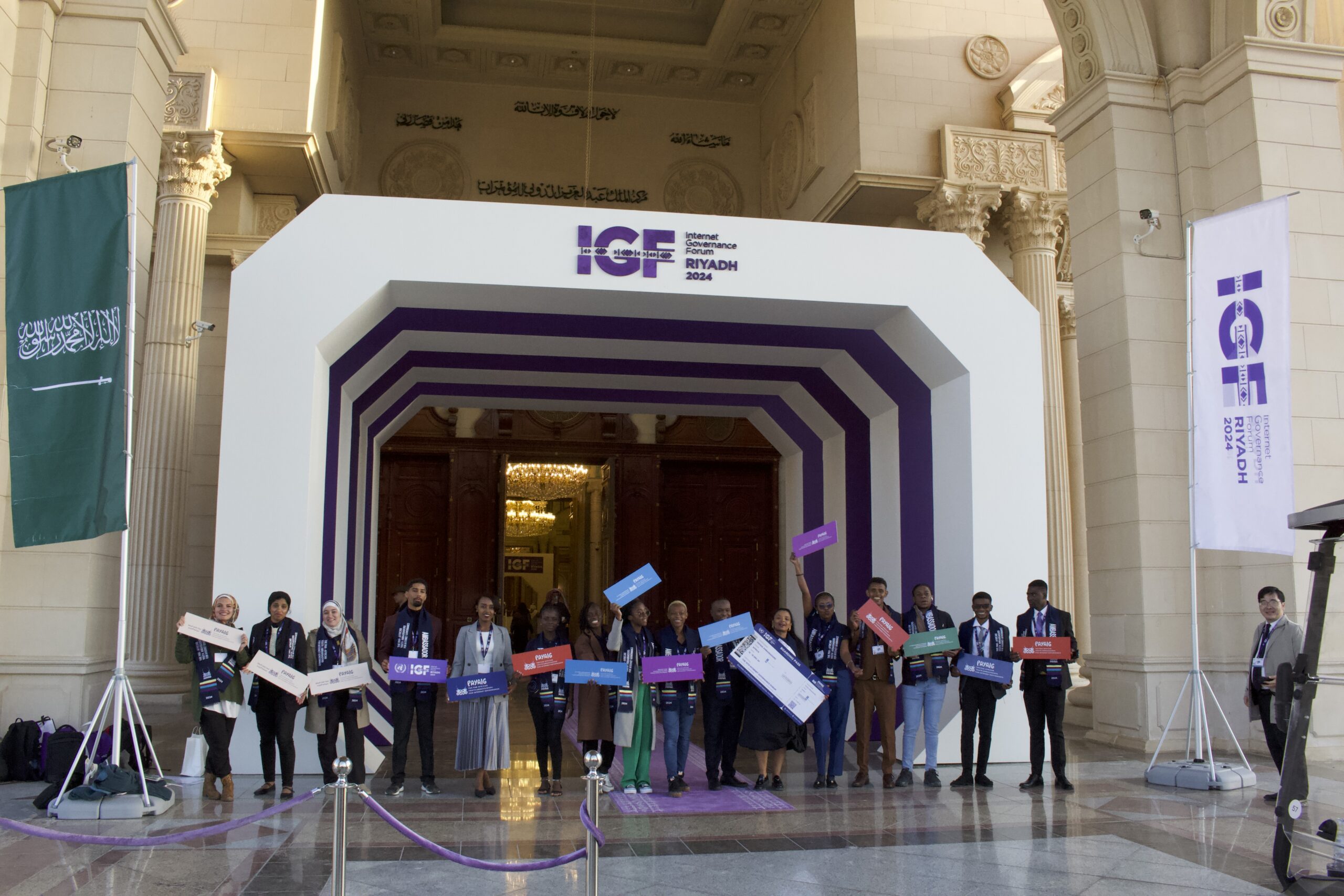
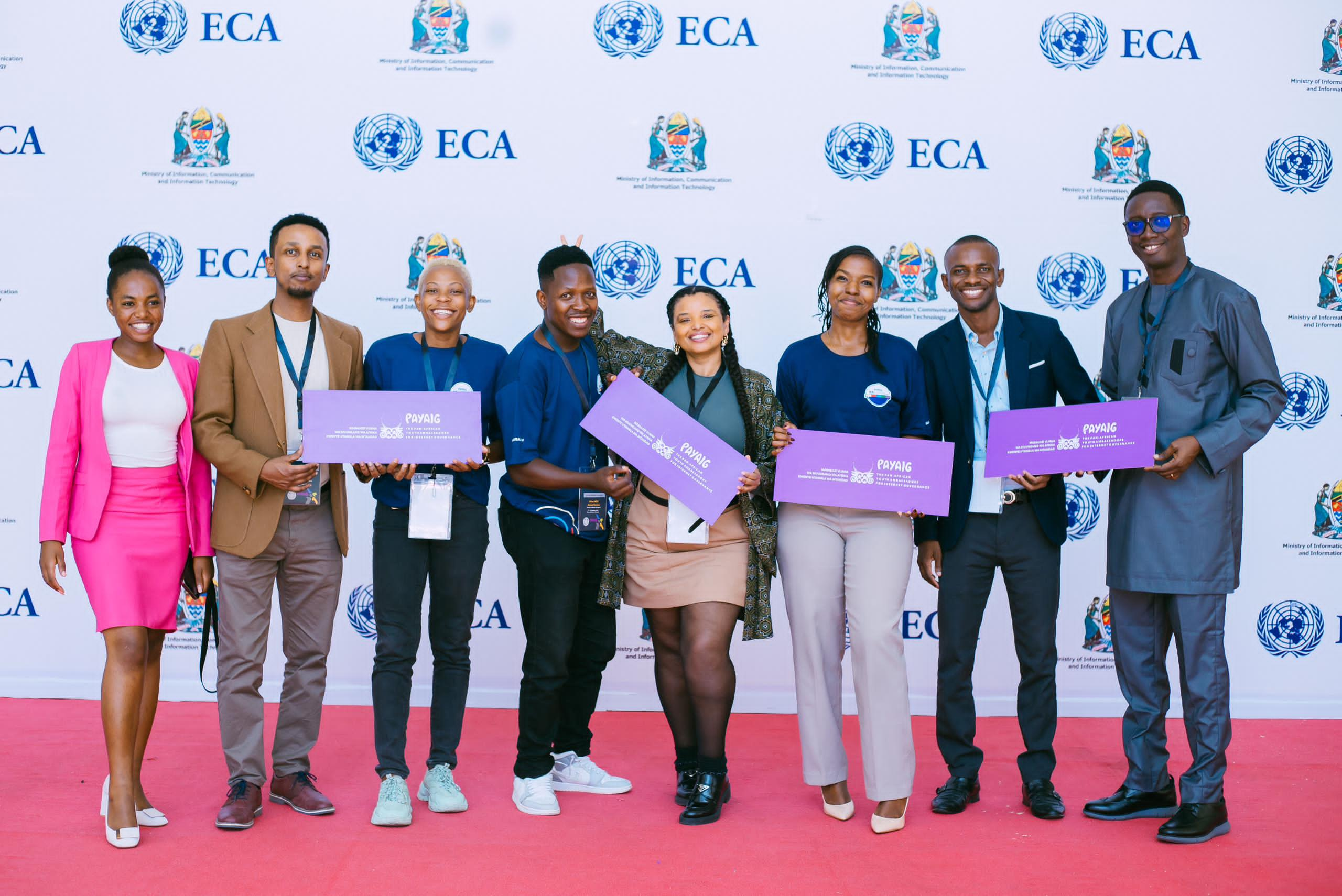
From this diverse pool of fellows, more than 200 exceptional individuals have been selected as PAYAIG Ambassadors, representing the highest level of achievement within the program. Each language cohort produces 20 Ambassadors who advance to the final phase, where they take on leadership roles in mentorship, community engagement, and regional capacity-building.
The Internet Governance program serves as the foundation of PAYAIG’s work, introducing fellows to the global and regional ecosystems that shape how the internet operates. Participants explore multistakeholder processes, institutions, and frameworks such as global governance forums, domain management systems, and digital cooperation models. Fellows gain the capacity to engage in policy discussions, contribute to governance processes, and represent African perspectives in international digital policy spaces.
As cybersecurity becomes central to national and global stability, the Cyber Diplomacy program prepares fellows to understand and navigate the intersection of technology, security, and international relations. Participants are introduced to cyber norms, international cooperation frameworks, and Africa’s role in global cyber negotiations. The program emphasizes strategic thinking, diplomacy, and policy engagement in an increasingly interconnected world.
The Digital Rights program focuses on the protection and promotion of human rights in the digital age. Fellows explore issues such as privacy, data protection, freedom of expression, and digital inclusion within African and global contexts. Through this program, participants are empowered to advocate for rights-based approaches to technology and contribute to building inclusive digital societies across the continent.
The AI Governance program addresses one of the most rapidly evolving areas in digital policy. Fellows examine the ethical, regulatory, and societal implications of Artificial Intelligence, with a focus on Africa’s unique opportunities and challenges. Participants engage with global AI policy debates, exploring how governance frameworks can ensure that AI systems are inclusive, transparent, and beneficial to African communities.